Equestrian property for sale usually means more than a house in the country. It means land, safe stables, riding space, and horse-friendly zoning. When you know how to read listings and walk the land, you can spot real value and avoid costly mistakes.
What Makes Equestrian Property For Sale Different From Regular Real Estate
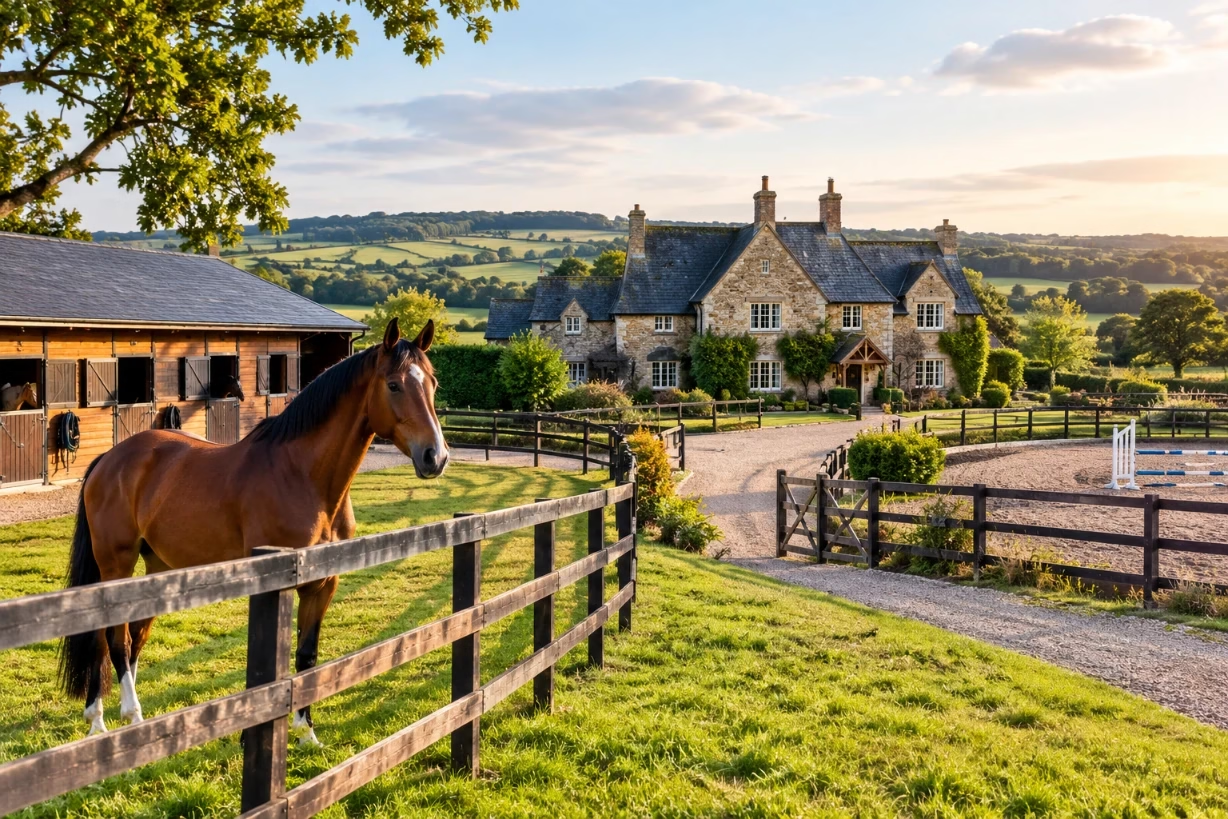
When I talk about equestrian property for sale, I am not just talking about pretty pastures and a red barn in the distance. True horse property is built around the daily needs of horses and the people who care for them. That means the land, the buildings, and even the local rules all have to work together so you can actually live and ride there without constant stress.
If you have ever tried to keep horses on land that was not meant for them, you already know the pain. Mud pits in winter, no dry place to store hay, driveways that trucks and trailers cannot handle, and neighbors who complain about flies and dust. A smart search for equestrian property for sale helps you avoid those issues before you sign anything.
I like to think about horse property as a full system. The home, the barns, the fencing, and the layout all play a role. When one part is off, you feel it every single day. When it all lines up, chores are quicker, horses are safer, and you have more time to actually ride.
Types Of Equestrian Property: Farms, Stables, And Rural Homes
Not every equestrian property for sale looks the same. Some are full working horse farms with big barns and arenas. Others are simple rural homes where you can keep two or three horses for personal use. Your budget, your goals, and how much work you want to take on will shape which path makes sense.
Small Rural Homes With Horse Facilities
A lot of buyers start with a modest rural home that has just enough horse setup to get going. Think 2 to 10 acres, a small barn or run-in sheds, and a few fenced paddocks. Listings like this often pop up as “equestrian property for sale” even though they are really hobby farms.
These places work well if you:
- Keep one to four horses and ride for pleasure
- Do not plan to run a business or big boarding stable
- Want lower upkeep, taxes, and utility costs
I usually tell first-time horse property buyers that a small, well designed rural home with simple horse setup can be better than a giant farm that drains your time and money. You can always add another paddock or improve footing later. It is much harder to shrink a large underused facility.
Horse Farms And Ranch Style Equestrian Properties
Then there are listings where equestrian property for sale means a true working farm or ranch. These properties usually have more acreage, larger barns, and more complex layouts. You may see multiple barns, separate mare and foal areas, stud pens, hay barns, and even staff housing.
Farm style equestrian property works best if you:
Board horses, train professionally, breed, or run events.
Need indoor and outdoor arenas or long riding tracks.
Want to grow your own hay or have cattle alongside horses.
Owning a horse farm is exciting, but I will be honest, it is a serious lifestyle choice. The workload, insurance, and maintenance costs build up fast. When I review a large equestrian property for sale, I always look for how chores flow. Long walks between barn, manure pile, arenas, and turnout areas cost you hours every week.
Dedicated Boarding And Training Stables
Sometimes you will see equestrian property for sale that is basically a business in a box. These are boarding and training facilities with brand names, client lists, and income history. The home may be small or even secondary to the barn complex.
Before you fall in love with this type of horse property, ask yourself if you really want the lifestyle of a barn owner. Horses on site 24/7, client texts at all hours, show schedules, and staff management. For some people, that is the dream. For others, it turns horse life into constant work. Being honest with yourself at this stage can save you from serious burnout.
Key Things To Check Before You Buy Equestrian Property
No matter what kind of equestrian property for sale you are considering, there are a few core checks that I never skip. These areas decide how safe, useful, and valuable the land will be for your horses and for your long term plans.
Zoning, Land Use Rules, And Neighbors
First, I check if the property is actually legal for horses and for the number of horses you plan to keep. Just because a seller calls it an equestrian property for sale does not mean the local rules match that label. County, township, or city codes might limit livestock, arena lighting, new barns, or even manure storage.
I also take a hard look at the neighbors. Are there subdivisions creeping closer? Any new roads, factories, or large projects planned nearby? A peaceful horse farm can feel very different once a busy housing development pops up next door with extra traffic, barking dogs, and kids cutting across your pasture paths.
Soil, Drainage, And Pasture Health
Good horse land is not just about how it looks on a sunny day. I want to know how it behaves in heavy rain, spring thaw, and summer drought. Clay soil might hold moisture and turn gateways into deep mud. Sandy soil might drain well but struggle to grow grass for grazing.
When I walk an equestrian property for sale, I look at low spots where water tends to sit, signs of erosion on slopes, and how grass recovers in high traffic areas near gates and barn doors. Poor drainage means more hoof problems, more wasted bedding, and more money on gravel, geotextile fabric, and French drains later.
Acreage, Layout, And Room To Ride
How many acres you need depends on your climate, pasture quality, and your horse numbers. A common guideline in many regions is 1.5 to 2 acres per horse for decent grazing, but I treat that as a rough start, not hard law. What matters more is how the acres are laid out.
A well planned equestrian property for sale might offer:
- Dry lots or sacrifice paddocks for wet seasons
- Rotational pastures with easy access from the barn
- Trees or natural windbreaks near turnout areas
- Safe riding spaces, even if there is no full arena yet
Long, narrow parcels can limit how you set up pastures and arenas. Steep slopes might look scenic but they are hard on footing and fencing. When I review land maps, I imagine where I would put a 100 by 200 foot outdoor arena, where trucks will turn around, and where a manure bin or compost area would go so it is out of the way but easy to reach.
Evaluating Barns, Arenas, And Horse Facilities
Buildings often decide if an equestrian property for sale is a fair price or a money pit. A pretty farmhouse loses charm quickly if the barn is dark, cramped, or unsafe. I like barns that make everyday horse care smooth and reduce risk as much as possible.
What I Look For In A Horse Barn
In a barn, I look beyond fresh paint. I check ceiling height, aisle width, stall size, and how air moves. Horses need good airflow to reduce dust and ammonia. Narrow aisles make it hard to move horses safely past each other or handle hay deliveries.
Essential details in a quality equestrian barn include:
Solid stall walls and latches with no sharp edges.
Non-slip floors in aisles and wash racks.
Plenty of natural light plus safe, sealed light fixtures.
Storage for hay and bedding that stays dry and rodent controlled.
Fire risk is a quiet but serious concern. I pay attention to wiring age and condition, the distance between hay storage and electrical panels, and whether the barn has proper extinguishers or even sprinklers in higher value properties.
Arenas, Round Pens, And Riding Spaces
An equestrian property for sale with a good arena is worth a close look. Building an arena later takes money and time, especially if you want quality footing and drainage. A basic grass arena might work for light riding, but serious training or show prep calls for better surfaces.
Outdoor arenas should have a solid base, a crown or gentle slope for drainage, and safe fencing or rails. Indoor arenas add complexity with lighting, roof condition, and sidewall materials. When I walk into an arena, I test footing with my boots and look for wet spots, deep spots, and unevenness that could cause injuries.
Even if there is no full arena, check if the land offers space for one. On some equestrian property for sale, the house, septic field, and existing barns leave almost no flat, open area of the right size for a future ring. Planning ahead here can save frustration down the road.
House And Lifestyle Factors Many Buyers Forget
It is easy to get swept up in barns and pastures and forget that you also need to live comfortably. I remind buyers that equestrian property for sale is still their home. If the house does not fit your life, stress will creep in no matter how nice the stable is.
Practical Features For Horse Owners
For someone living on horse property, I look for things like a mudroom, laundry close to the back door, and durable flooring that tolerates boots, dog paws, and the occasional bit of hay. A simple but well planned farmhouse can be worth more to your sanity than a fancy home that is not horse friendly inside.
Good parking, trailer storage, and a driveway that handles large rigs in all seasons are also huge. Some equestrian property for sale looks perfect until you realize your trailer will never make that tight turn or steep, icy hill in winter.
Commute, Schools, And Services
Horses pull you to the country, but real life still exists. I pay attention to the drive time to work, schools, vets, farriers, and feed stores. A rural equestrian property for sale that adds an hour to every trip for basic services may wear you down faster than you expect, especially when emergencies happen.
It also helps to check internet and cell coverage. Many horse businesses rely on social media, online booking, and video coaching. Even if you are not running a business, you probably want a stable enough connection for work calls or streaming a movie after a long barn day.
Cost, Financing, And Hidden Expenses
Buying equestrian property for sale is different from buying a simple house in a subdivision. Lenders, insurers, and appraisers all look at land and buildings with extra layers of risk and complexity. I always encourage buyers to think beyond the listing price.
Financing Horse Property
Some banks treat rural and equestrian property as agricultural or mixed use rather than pure residential. Loan terms and down payment requirements may be different. If the property includes a large number of acres or obvious business features like a commercial boarding stable, finding the right lender early makes the process smoother.
I like to run rough numbers on how much additional monthly cost will come from higher utilities for barns, arena lighting, and water. Even well built equestrian property for sale often costs more to run than a city house, especially in extreme weather areas.
Maintenance, Upgrades, And Long-Term Planning
Barns, fences, and arenas age. Roofing needs replacement, boards break, and footing breaks down. I suggest setting aside a yearly budget for repairs and upgrades, even if everything looks fine when you buy. A paint job on a long barn or a new load of arena footing adds up fast.
When you visit an equestrian property for sale, try to spot which repairs are urgent and which can wait. Loose boards, exposed nails, leaning posts, and rotten steps go to the top of the list. Nice-to-have upgrades like fresh paint or prettier barn doors can stay for later once the safety basics are solid.
How To Read Online Listings For Equestrian Property For Sale
Many online listings use the phrase “equestrian property for sale” loosely. I have seen tiny lots with a single shed called horse ready, and I have seen fantastic setups barely described at all. Learning how to read between the lines helps you spot which ones are worth a drive.
Listing Phrases That Deserve A Closer Look
When I scan listings, certain phrases make me want more detail:
“Horse friendly” might just mean you are allowed to have a horse, not that the land is set up.
“Barn on site” could be a small old shed that needs full rebuild.
“Riding trails nearby” might still require trailering to reach them.
On the other hand, if a seller simply states “equestrian property for sale” but then lists stall counts, arena sizes, and types of fencing, that usually signals a more serious setup. Good photos of pastures, gates, and the underside of barn roofs also show the owner knows buyers will look for those details.
Questions To Ask Before You Visit
To save time, I like to reach out to the agent or owner with simple, direct questions before getting in the truck:
- How many horses have lived there long term, and how did the land handle it
- Any flooding issues in pastures, barn, or arena areas
- Age and condition of roof, electrical, and well or septic
- Any restrictions on new barns, lights, or arenas
The answers help you decide if this equestrian property for sale fits your plans or if it is likely to eat your budget with surprise work right away.
Planning Your Own Dream Equestrian Property Layout
Sometimes the best equestrian property for sale has good bones but still needs your touch. Maybe the barn is solid but the pasture layout is awkward. Maybe the land is perfect but there is no real riding space yet. If the fundamentals are strong, that can become a dream project instead of a headache.
Thinking In Daily Chore Loops
When I help people plan their own layout, I think in loops. How many steps does it take to go from house to barn, from barn to paddocks, from paddocks to manure pile, and back again. The shorter and smoother that loop, the easier your days will feel.
Good design on an equestrian property for sale often includes:
Central barn with radiating paddocks and fields.
Manure area close enough for easy dumping, far enough for flies.
Feed and hay storage near stalls but also manageable for deliveries.
Parking away from horses yet convenient for riders and clients.
Even small changes, like moving gates to higher, drier ground or adding a second water spigot, can pay off every single day in saved time and safer handling.
My Final Thoughts On Choosing The Right Equestrian Property
When you look at equestrian property for sale, it is easy to focus on what looks pretty in photos: green fields, white fences, and tidy stalls. I have learned to look first at safety, function, and long term comfort for both horses and people. If those pieces line up, you can always add charm later with fresh paint, flowers by the barn door, or a new viewing deck for the arena.
Your ideal equestrian property for sale will match your actual life, not a fantasy. Be honest about how many hours you have for chores, how much you want to work with clients, and what kind of riding you truly enjoy. When the land, the buildings, and your goals fit each other, horse property stops being a burden and becomes the place you cannot wait to come home to every day.