
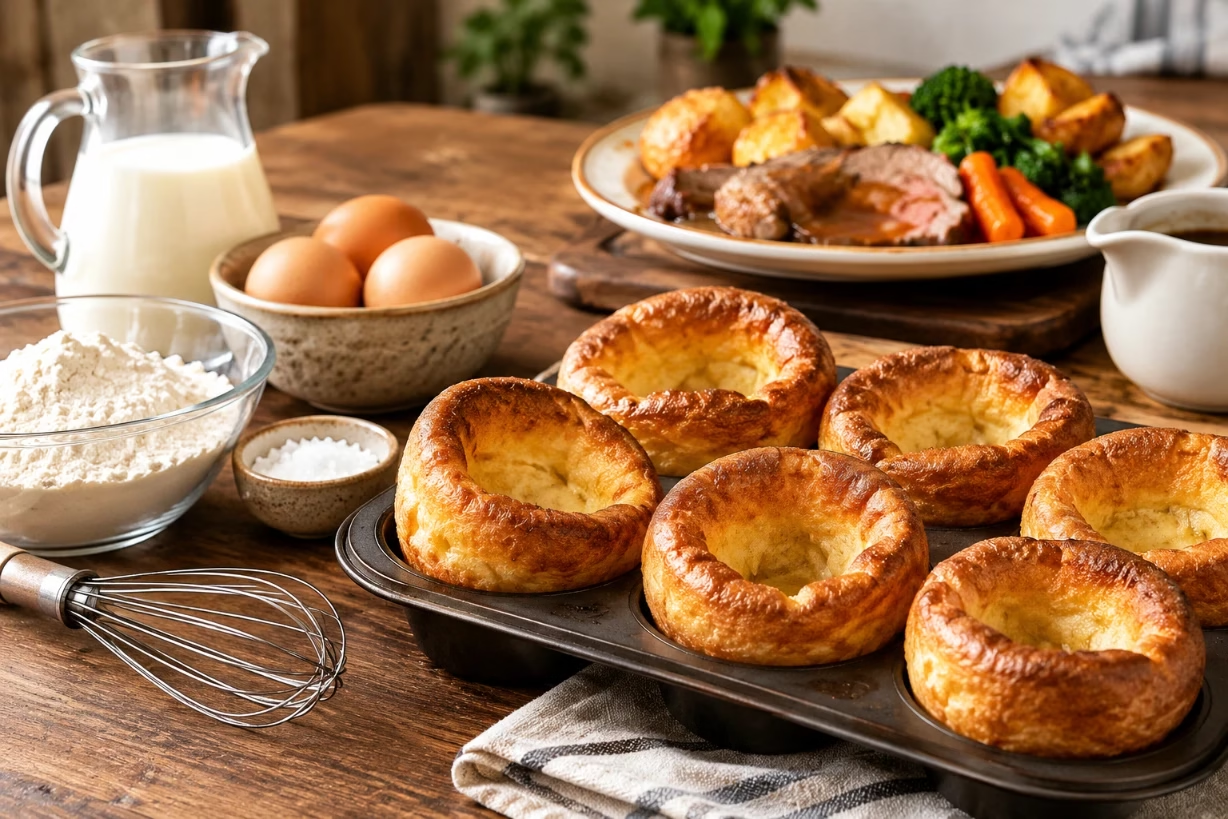
If you want Yorkshire pudding from scratch that puffs tall, turns deep golden, and tastes like a proper British Sunday roast, you need a simple batter, screaming hot fat, and enough resting time so the pudding can rise light, crisp, and hollow inside.
Yorkshire pudding from scratch sounds fancy, but it is one of the most honest, humble recipes you can bring to a Sunday roast. I still remember the first time I pulled a pan of tall, dramatic Yorkshires from the oven. The kitchen smelled like toasted batter and beef drippings, and the sound of that sizzling fat hitting cold batter is something you do not forget. In this guide, I walk you through every step so you can make a traditional Sunday roast Yorkshire pudding from scratch that works on a normal weeknight in an American kitchen.
What Makes Yorkshire Pudding From Scratch So Special
Yorkshire pudding from scratch is really just a baked batter of eggs, flour, and milk, cooked in very hot fat. But when it is done right, it turns into something more than the ingredients. The sides climb up high, the center stays a little custardy, and the outside gets crisp and golden. It soaks up gravy in the best way, like a cross between a popover and a savory pancake.
In a traditional British Sunday roast, you serve Yorkshire pudding from scratch with roast beef, rich gravy, and usually some roasted potatoes and vegetables. It is comfort food that still feels special enough for guests. What I like most is how simple the pantry list is. You probably have everything on hand right now.
Core Ingredients For Traditional Yorkshire Pudding
Even though the ingredient list is short, each one matters. When you want Yorkshire pudding from scratch that rises tall and tastes rich, think about quality and temperature.
Eggs
Eggs give structure and puff. More eggs usually mean taller Yorkshire puddings. Large eggs at room temperature work best, because they blend smoothly and trap more air. If you forget to take them out early, you can place them in a bowl of warm tap water for a few minutes.
Flour
Plain all purpose flour is all you need. Some cooks sift it, some do not. I prefer to whisk it well to break any lumps. You do not need self rising flour, baking powder, or baking soda. The lift in a classic Yorkshire pudding from scratch comes from steam, not from baking powder.
Milk (Or Milk And Water)
Whole milk gives a tender, slightly richer result. Some traditional cooks use half milk and half water to make the batter lighter. Both ways work. If you want a pudding that is a bit more delicate and crisp, try that half and half mix at least once. The liquid should also be at room temperature so it does not shock the eggs.
Fat: Beef Dripping, Lard, Or Oil
Here is where the Sunday roast magic really shows up. Classic Yorkshire pudding from scratch uses beef drippings from a roast. That flavor cannot be matched. In the real world though, not everyone roasts beef every week. You can use lard, bacon fat, or a neutral oil with a high smoke point, like canola or sunflower oil.
The key is this: the fat must be smoking hot before the batter goes in. This heat is what gives you instant steam and a big puff.
Traditional Ratios For Yorkshire Pudding Batter
Home cooks often pass down this rule of thumb: equal volumes of eggs, flour, and milk. If you like to measure, a solid starting point for a 12 hole muffin tin is:
4 large eggs
1 cup all purpose flour (about 120 g)
1 cup milk (or 1/2 cup milk + 1/2 cup water)
1/2 teaspoon fine salt
This simple formula makes enough batter to fill a standard 12 cup muffin pan about one third full in each cup. It also works well if you are baking one large Yorkshire pudding in a single roasting pan.
Step By Step: How I Make Yorkshire Pudding From Scratch
Here is the exact method I use when I want reliable Yorkshire pudding from scratch for a Sunday roast. I will keep the steps clear and detailed so you can follow them without second guessing.
1. Get Ingredients To Room Temperature
Cold eggs and milk make the fat cool down too fast. When I know I am cooking a roast, I set the eggs and milk on the counter at least 30 to 45 minutes early. If I forget, I warm the milk slightly until just lukewarm and bring the eggs up in warm tap water.
2. Mix The Batter Smoothly
In a mixing bowl, I whisk the eggs until they are blended and a little frothy. Then I add the milk and salt. After that, I sift or slowly shake the flour into the bowl while whisking. I whisk just until the batter looks smooth, like heavy cream. You might see a few tiny lumps and that is fine.
Some cooks use a blender to mix Yorkshire pudding from scratch. That also works, but avoid over blending. Too much blending can make the texture a bit tough. I like the control of a simple hand whisk.
3. Let The Batter Rest
This part is not strictly required, but it makes a difference. I let the batter rest at room temperature for at least 30 minutes, and up to an hour. Resting lets the flour hydrate and the gluten relax, which leads to a better rise and a more even texture.
If I am tight on time, I rest it for at least 15 minutes while the oven heats. If I plan ahead, I sometimes mix Yorkshire pudding from scratch the night before and chill it. Then I bring it back to room temperature before baking. A rested batter almost always gives me taller sides and a nice hollow center.
4. Heat The Oven And Pan
Yorkshire pudding needs serious heat. I preheat the oven to 425 to 450 degrees Fahrenheit. If your oven runs hot, aim for 425. If it runs a little cool, go to 450. Place your muffin tin or metal roasting pan in the oven while it heats.
When the oven reaches temperature, I add about 1 teaspoon of beef dripping or oil into each muffin cup, or a few tablespoons in a large pan. Then I return the pan to the oven until the fat is not just melted but smoking hot. This usually takes 5 to 7 minutes.
5. Pour Batter Into Smoking Hot Fat
At this stage, I work quickly. I slide the oven rack out just enough to reach the pan, leaving the pan on the rack so the fat does not slosh. Then I pour the batter from a jug or measuring cup straight into each muffin well, about one third to halfway full. The batter should sizzle the moment it hits the fat.
If you are making one large Yorkshire pudding from scratch, pour all the batter in the center of the pan and let it spread. Close the oven door right away to keep the heat in.
6. Bake Without Opening The Oven
This is the hardest step for many people. Once the batter is in, do not open the oven door for at least 15 to 20 minutes. Opening the door too soon can make the puddings collapse. In a standard muffin tin at 425 to 450 degrees, Yorkshire puddings usually bake in 20 to 25 minutes. They should be deep golden brown and firm on the sides.
For a large pan Yorkshire pudding from scratch, allow 25 to 35 minutes, depending on how deep the pan is and how your oven behaves. When done, the sides will be dramatically puffed and the center lightly browned.
7. Serve Immediately
Yorkshire pudding starts to soften as it cools, so serve it straight from the oven. I like to plate it with slices of roast beef, spoon over hot gravy, and tuck some roasted carrots and potatoes around the side. Leftovers are still good, but fresh is magic.
Choosing The Right Pan For Yorkshire Pudding
There are two main styles of traditional Yorkshire pudding from scratch: individual servings and one big pudding. Each has its own charm.
Individual Yorkshire Puddings
These are baked in a muffin tin or a dedicated popover pan. They are easy to portion and look impressive lined up on a serving platter. A metal pan gives the best heat and rise. Dark metal tins brown more quickly and can help the sides crisp.
One Large Yorkshire Pudding
The large style bakes in a square, rectangle, or round metal roasting pan. It turns into a big, puffy, crisp edged sheet you cut into squares or wedges. If you like a bit more tender center with a chewy, crisp rim, this is a good choice. It also catches more beef drippings in a Sunday roast setup.
Either way, avoid glass baking dishes for Yorkshire pudding from scratch. Glass does not heat as quickly as metal and often leads to a weaker rise and heavier texture.
Timing Yorkshire Pudding With A Sunday Roast
One of the classic challenges is how to bake Yorkshire pudding from scratch while you already have a roast in the oven. Here is a simple plan that works in a normal home kitchen.
Roast the beef first at the temperature it needs. When it is done, take the beef out, tent it loosely with foil, and let it rest. While it rests, raise the oven temperature to 425 to 450 degrees, place the pan with drippings or a clean pan with fat inside, and heat the fat until smoking. Bake the Yorkshire pudding while the meat rests and while you finish the gravy on the stove.
This timing actually helps you, because good roast beef should rest at least 20 to 30 minutes anyway. That same window is perfect for baking Yorkshire pudding from scratch to a deep golden brown.
Classic Serving Ideas For Yorkshire Pudding
Traditional Sunday roast usually means beef, but Yorkshire pudding from scratch can match a lot of meals.
With roast beef and gravy is the standard plate: slices of medium rare beef, a pool of rich gravy, two or three Yorkshire puddings, and roasted potatoes and root vegetables. In some homes, people like to start the meal with Yorkshire pudding and gravy alone, then move on to the main plate.
You can also serve Yorkshire pudding from scratch with roast chicken, pork, or even sausages and onion gravy. It pairs nicely with pan drippings from any savory roast. I have even used leftover Yorkshire pudding the next morning with scrambled eggs and bacon, almost like a breakfast roll.
Common Mistakes And How To Fix Them
Yorkshire pudding looks simple, but a few small mistakes can flatten the whole batch. Here are the most common problems I see and what usually causes them.
Yorkshire Puddings Did Not Rise
If your Yorkshire pudding from scratch stayed low and pale, the oven or the fat probably was not hot enough. Make sure the oven is fully preheated and the fat is clearly smoking before you pour the batter. Also, keep the oven door closed in the first part of baking.
Heavy Or Doughy Center
A slightly custardy middle is normal, but if it feels dense and gummy, the batter might be too thick or under baked. You can thin the batter with an extra splash of milk until it has the texture of heavy cream. Next time, bake a few minutes longer until the tops are well browned.
Puddings Collapsed After Coming Out
All Yorkshire pudding from scratch deflates a little as it cools, but if they sink into flat discs, they were either under baked or the oven door opened too often. Keep them in the oven until fully browned. If you can, avoid sudden drafts when you open the door at the end.
Sticking To The Pan
A well greased, very hot pan almost always releases the puddings. If they still stick, your pan coating might be too worn. Try a different metal pan, use a bit more fat, and let the puddings cool just one or two minutes before gently twisting them out.
Variations On Traditional Yorkshire Pudding From Scratch
Once you feel comfortable with the classic ratio and method, you can play a little while still keeping that Sunday roast spirit alive.
Herb Yorkshire Pudding
Whisk in a teaspoon of finely chopped rosemary, thyme, or chives to the batter. This adds a fresh note that works well with roast chicken or lamb. It is still true Yorkshire pudding from scratch, just with a light herbal lift.
Cheese Yorkshire Pudding
Sprinkle a bit of finely grated sharp cheddar or Parmesan over the top of each pudding halfway through baking. The cheese melts and browns on the surface, giving you a slightly richer, nutty crust.
Onion Or Garlic Twist
You can stir a small spoon of finely grated onion or a pinch of garlic powder into the batter for deeper flavor. Use a light hand so it does not make the batter too heavy or wet.
Make Ahead And Reheating Tips
Fresh is best, but life is busy and sometimes you need to plan ahead. Here is how I handle Yorkshire pudding from scratch when I cannot bake and serve right away.
You can mix the batter up to a day ahead and chill it. When you are ready to bake, let it sit on the counter until it reaches room temperature and give it a brief whisk. Do not pour cold batter into hot fat or the rise will suffer.
Baked Yorkshire puddings also freeze well. Let them cool fully, then place them in a single layer on a tray to freeze. Once solid, move them to a freezer bag. To reheat, put them from frozen into a 375 degree oven for about 8 to 10 minutes until hot and crisp again. While they will not be quite the same as fresh Yorkshire pudding from scratch, they still beat most store bought options.
Adapting Yorkshire Pudding For Different Diets
Because this dish relies on eggs and gluten, changes will affect the texture. Still, you can get close if you need to adjust.
Dairy Free Version
You can swap the milk for an unsweetened plant milk like soy or oat. Choose a plain version without vanilla. Use oil or a dairy free fat instead of butter. The texture of your Yorkshire pudding from scratch will be slightly different, but still puffed and enjoyable.
Gluten Free Attempts
Gluten free all purpose blends can work, though the rise may be smaller and the center a bit more delicate. Resting the batter becomes even more important here. Let it sit at least 30 to 45 minutes before baking, and stir gently before pouring.
Why Yorkshire Pudding Belongs At Your Sunday Table
Making Yorkshire pudding from scratch connects you to a long line of home cooks who stretched simple ingredients into something welcoming and memorable. It asks for attention to heat, timing, and simple technique more than fancy tools. Once you see that billowing golden edge in your own oven, you will understand why this dish earns a permanent spot at a Sunday roast.
So the next time you roast beef, or even if you just want a cozy dinner built around gravy and potatoes, try a tray of homemade Yorkshire pudding from scratch. It turns a normal meal into something that feels like tradition, even if you are making it in a small American kitchen on a rainy weeknight.