
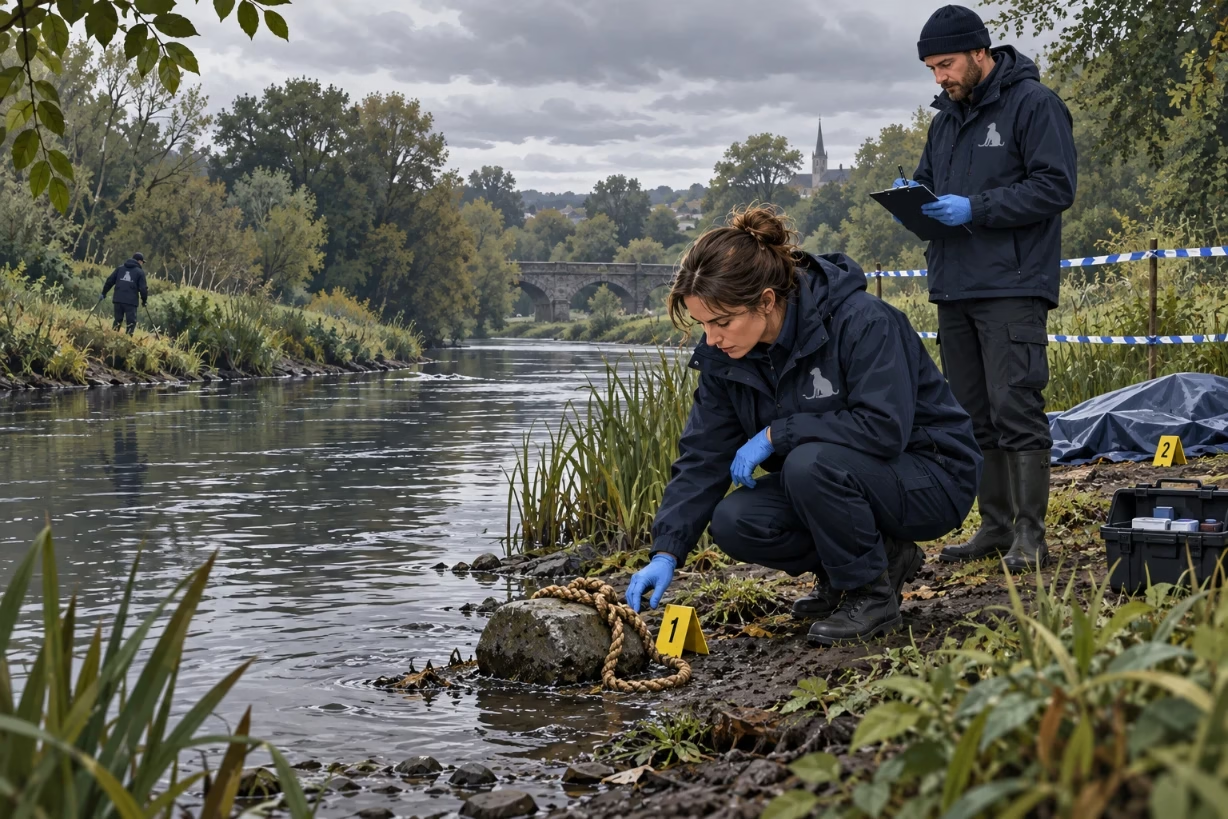
RSPCA investigates suspicious dog deaths involving weighted river discoveries when dead or mistreated dogs are found in canals or rivers, sometimes tied to heavy objects. I want to explain what that really means, how these cases are handled, and what you can do if you ever face something similar.
Why Suspicious Dog Deaths In Rivers Shock So Many Of Us
When I read that the RSPCA investigates suspicious dog deaths involving weighted river discoveries, I do not just picture a headline. I picture a family pet that once chased balls in the yard, now pulled from cold, dark water with a rope or bag attached. It feels deeply personal, even if I never met that dog.
For many of us, dogs are the closest thing to a living heartbeat that always meets us with joy. Seeing that trust repaid with cruelty hits a nerve. These cases of dogs found in rivers, canals, or lakes, often weighed down with bags, chains, bottles, or gym weights, tell a very different story than a simple tragic accident.
Most people want to know three things right away: Was the dog alive when it went into the water, who is responsible, and how can this keep happening? When the RSPCA investigates suspicious dog deaths involving weighted river discoveries, those are exactly the questions inspectors and vets are trying to answer.
What Counts As A “Suspicious” Dog Death In A River
Not every dog that ends up in a river is a victim of cruelty. Some tragically drown after falling in during a walk, a storm, or a flood. The key word in “RSPCA investigates suspicious dog deaths involving weighted river discoveries” is suspicious.
From what I have seen in real cases, a river or canal death becomes suspicious when there are clear warning signs, like:
- The dog is inside a bag, suitcase, carrier, or crate.
- Weights, bricks, chains, or heavy objects are tied to the body.
- The dog shows signs of trauma, such as wounds, broken bones, or burns.
- There is more than one dog found in the same area in a short time.
- The dog is dumped in a remote spot, far from paths or bridges.
In those situations, it is hard to believe this was just an accident. That is the moment when RSPCA investigates suspicious dog deaths involving weighted river discoveries as possible crimes, not just sad misfortunes.
How RSPCA Investigations Start After A River Discovery
Most cases begin the same way: an ordinary person making an awful discovery. Maybe it is a parent walking with kids along a riverbank, a runner on a canal path, or anglers checking their lines early in the morning. They see a shape in the water that should not be there.
When someone calls the RSPCA about a body in the water, a few key steps usually follow:
1. First scene assessment
An inspector or animal rescue officer comes out as soon as possible. They look at the body, the surroundings, and anything nearby that might matter. If the situation looks suspicious, that is when the phrase “RSPCA investigates suspicious dog deaths involving weighted river discoveries” stops being a news line and becomes an active case file.
2. Recovery of the dog’s body
Depending on the depth, current, and access, the officer might recover the body alone or with help from fire and rescue crews, local authorities, or even police. Care is taken to handle the body gently, not only out of respect, but also to protect any evidence.
3. Basic checks on the dog
Once on dry land, the inspector can do a closer look. Common checks include:
- Scanning for a microchip to identify the dog and its owner.
- Noting the position of any weights or bindings.
- Looking for visible injuries or signs of neglect.
- Taking photos of everything, including the riverbank.
At this point, if there are strong red flags, the RSPCA investigates suspicious dog deaths involving weighted river discoveries in cooperation with law enforcement and sometimes specialist vets.
Behind The Scenes: Forensics Used In Suspicious River Dog Deaths
One thing I respect about these investigations is how far they go beyond just “eyeballing” the body. When RSPCA investigates suspicious dog deaths involving weighted river discoveries, inspectors and vets often use advanced forensic techniques that sound more like something out of a crime show than an animal welfare case.
Post mortem (necropsy)
Vets trained in pathology examine the dog’s organs, tissues, and stomach contents. They want to know:
- Was the dog drowned, poisoned, beaten, or starved
- Did the dog have old injuries or long term neglect
- Was the dog pregnant or recently given birth
Diatom testing for drowning
In some cases, tiny algae from the water, called diatoms, can get into the lungs and then the bloodstream if the dog was alive when it went into the water. If those diatoms show up deep in bone marrow samples, that suggests the dog drowned instead of being dumped after death. This kind of lab work often appears in serious cases where the RSPCA investigates suspicious dog deaths involving weighted river discoveries and needs hard proof in court.
Toxicology and poisoning checks
If baiting or poisoning is suspected, samples from the stomach, liver, or blood may be tested. Rodent poisons, illegal drugs, pesticides, and other toxins can all be part of cruelty scenarios.
Tracing microchips and past owners
Microchip data can show a full history: breeder, first owner, changes in ownership, and sometimes vet records. A dog that passes through many hands in a short time might raise questions about illegal selling, backyard breeding, or organized cruelty.
Why Abusers Dump Dogs In Rivers Or Canals
It is hard to imagine why anyone would treat a living animal this way. Still, when RSPCA investigates suspicious dog deaths involving weighted river discoveries, patterns do appear. From case stories and patterns in other cruelty reports, motives often fall into a few main groups.
Trying to hide evidence of cruelty
If a dog has been beaten, starved, used in fights, or bred in filthy conditions, the body could show that story. Dumping a dog in a river, especially weighed down, might feel to the abuser like a way to erase what happened. They hope the current will carry the body away or damage evidence.
Getting rid of “unwanted” dogs cheaply
Some people see dogs as disposable. When a dog is sick, old, injured, or seen as “too much trouble,” instead of paying for proper euthanasia, they may choose a dark, secretive option. In some XL bully and bull-type cases, fear of laws or bans has also pushed a cruel few to take this path instead of seeking help.
Using rivers to cover up crime networks
Where dog fighting, illegal breeding, or backyard puppy farms are involved, a dead dog can be a risk. If the RSPCA investigates suspicious dog deaths involving weighted river discoveries linked to these trades, one body might lead to many more victims. People involved in organized cruelty know this and may use rivers as dumping sites to cut those trails.
The Emotional Weight On People Who Find These Dogs
I think it is important to say this clearly: stumbling on a dead dog in a river, especially in a bag or tied to weights, can be traumatic. More than one person who has called the RSPCA about weighted river discoveries has described struggling to sleep afterward, picturing the same scene again and again.
Even though the headline might read “RSPCA investigates suspicious dog deaths involving weighted river discoveries,” the human side of that sentence is a real person standing alone by the water, trying to decide what to do next while their stomach turns.
If that ever happens to you, it is normal to feel sick, angry, or helpless. Taking action is not just about the dog; it is also a way to give your reaction somewhere to go, instead of letting it sit and gnaw at you.
What You Should Do If You Find A Dog In A River
If you ever face a scene like this, your choices in those first minutes can be vital for both justice and your own safety. When RSPCA investigates suspicious dog deaths involving weighted river discoveries, they often rely heavily on what members of the public did at the start.
Here is a clear path to follow:
Stay safe first
Do not jump into deep or fast moving water. No investigation is worth risking your life. Find a safe spot where you can see the body clearly, but keep your footing firm and avoid steep, muddy banks.
Call the right number
Contact the RSPCA or your local animal cruelty hotline as soon as you can. If you believe there is an immediate crime scene or other serious activity, also call the police. Explain calmly that you have found a dog in water and that it looks suspicious, mentioning if bags, chains, or weights are visible.
Avoid moving the body unless told to
It might feel kind to pull the dog out and cover it, but shifting things can disturb important evidence, like knots, fibers, and positions. If you are asked to help recover the body, follow the advice given over the phone.
Take photos if it is safe and you can handle it
Pictures of the spot, how the dog is positioned, and any objects nearby can support the case if the body moves later with the current. If this feels too hard emotionally, focus on staying present and giving a clear verbal description instead.
How These Cases Move Toward Charges And Court
Once the RSPCA investigates suspicious dog deaths involving weighted river discoveries, the journey from riverbank to courtroom can be long. It usually involves many small steps that add up to a full picture.
Gathering witness statements
Inspectors talk with the person who found the dog, locals who pass by that stretch of river, anglers, boaters, and anyone else who might have seen a dog there in recent days. Cars parked oddly, late night noises, or bags dumped on the bank days before can all matter.
Linking the dog to an owner
If microchip details are available, inspectors look into the dog’s history. Sometimes the registered owner is fully shocked and innocent because the dog was stolen or rehomed. Other times the story does not add up, and that is when a casual conversation can turn into a recorded interview.
Working with police and prosecutors
Serious or repeat cases might move into formal prosecution. Evidence from forensics, scene photos, witness statements, and chip records is bundled together and passed to legal teams. When RSPCA investigates suspicious dog deaths involving weighted river discoveries and brings them to court, it is usually because that combined evidence paints a clear picture of cruelty or neglect.
Patterns Behind Multiple Weighted River Discoveries
One isolated case is bad enough. But when several dogs are found in nearby waterways, especially in similar bags or with the same style of weights, investigators begin to look for patterns. In a way, “RSPCA investigates suspicious dog deaths involving weighted river discoveries” becomes a cluster of linked cases instead of one lonely file.
Some possible patterns that trigger deeper concern include:
- Similar breed or body size appearing again and again.
- The same stretch of canal or riverbend used repeatedly.
- Consistent use of the same kind of bag, rope, or chains.
- Timing that lines up with local dog fight activity or breeding seasons.
In those moments, the question shifts from “Who did this to this dog” to “Who is running this cruelty in our area” and “How many more dogs have not been found yet.”
How Communities Can Help Stop These Crimes Earlier
Looking at these cases, one thing stands out to me: someone almost always noticed small warning signs earlier, but they did not realize how serious they were at the time. When the RSPCA investigates suspicious dog deaths involving weighted river discoveries, part of their work is also teaching the public how to spot risk before a dog ends up in water.
You can help by watching for things like:
- Dogs kept outside in poor conditions and never seen walked.
- Regular loud fighting noises involving dogs from a property.
- People frequently dropping bags or heavy objects near bridges at odd hours.
- Someone quickly “getting rid” of several dogs in a short time frame.
If your gut says something is wrong, listen to it. Quietly gather details like descriptions, times, and car plates if safe, and then report what you know to the RSPCA or local authorities. Many big cruelty cases only reached court because a neighbor, passerby, or dog walker refused to shrug and walk away.
Supporting Yourself Emotionally After Seeing Animal Cruelty
One part of this topic that gets overlooked is the emotional health of people who witness cruelty or make these calls. I have read accounts from people who found dogs in canals and rivers and then carried that memory for years. Even if the headline reads “RSPCA investigates suspicious dog deaths involving weighted river discoveries,” your brain may only remember the sight, smell, and shock.
If you have been through something like this, a few things can help:
Talk to someone you trust about what you saw, in your own time and your own words. Some people find it easier to write it down first, then read it out loud.
Ask the RSPCA for a simple update later, if possible. Knowing that a case number exists, or that steps have been taken, can help you feel less stuck.
Give yourself permission to pull back from graphic news stories and videos for a while. Your nervous system has already had more than enough evidence that cruelty exists.
Remember that making the report helped that dog’s story be heard. Even in death, that dog became the start of an investigation that might protect others.
Why These Investigations Matter For All Dogs, Not Just One
On the surface, when RSPCA investigates suspicious dog deaths involving weighted river discoveries, it can look like a sad, narrow story about a single dog. In reality, each of these cases pushes the wider system to pay more attention to animal abuse, file stronger charges, and close dangerous gaps in enforcement.
Every successful prosecution tells would-be offenders that dumping a dog in a river does not make the problem disappear. It sends a message that communities are watching, that microchips can speak even when a dog cannot, and that science can show what really happened in that water.
And each time an ordinary person picks up the phone after seeing something wrong at a riverbank, they become part of that message. They prove that the bond between humans and dogs is more powerful than the cruelty that tries to break it.
So if you ever read the phrase “RSPCA investigates suspicious dog deaths involving weighted river discoveries” again, I hope you will see more than a grim headline. I hope you will see a network of inspectors, vets, neighbors, dog lovers, and quiet witnesses all working together to pull the truth out of the water and bring it into the light.