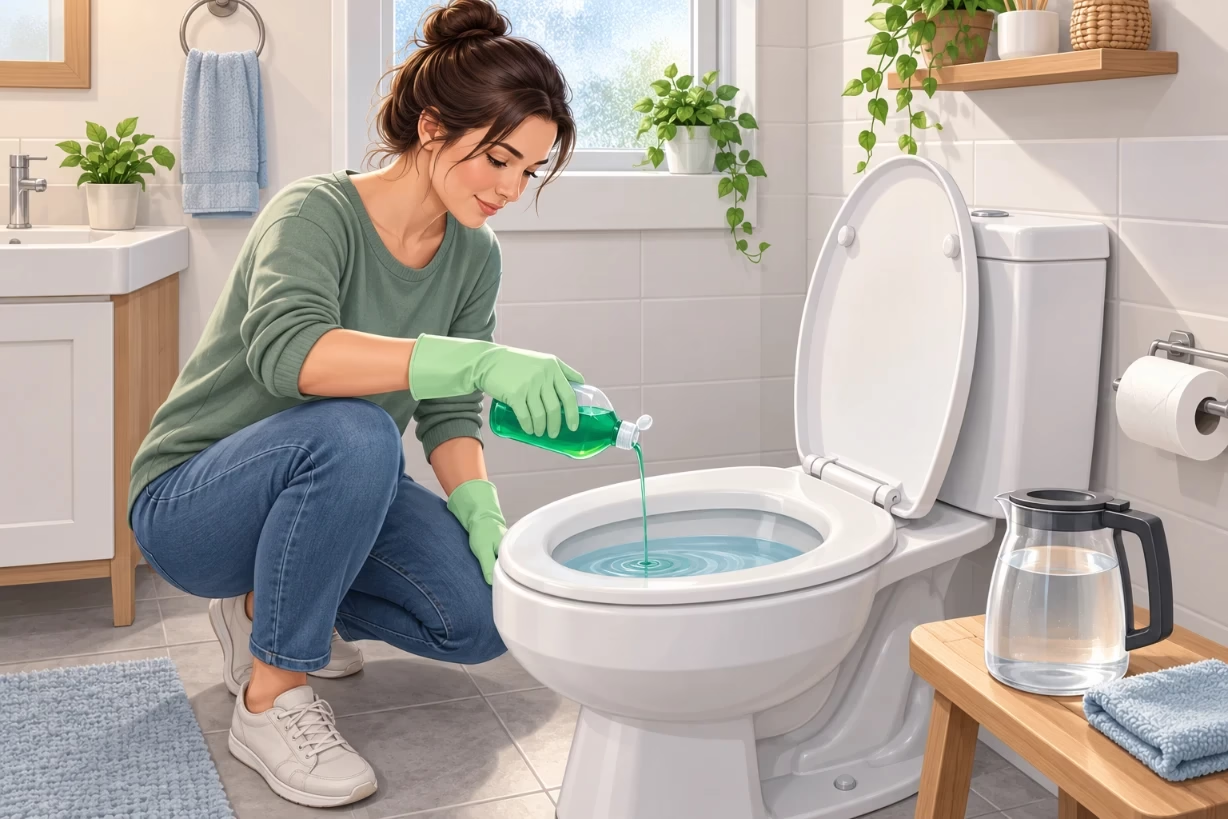
If you need to know how to unclog toilet bowl without plunger fast, pour hot tap water and dish soap into the bowl, let it sit 15 to 30 minutes, then flush once. If needed, repeat or use a wire coat hanger as a gentle DIY drain snake.
I know the panic that hits when the toilet bowl fills up and you realize there is no plunger in sight. Maybe you are at home, maybe at someone else’s place, but either way you want one thing: a quick method for how to unclog toilet bowl without plunger that actually works and does not ruin the bathroom.
Why Toilets Clog And Why You Sometimes Do Not Need A Plunger
Before I walk through step by step methods, it helps to know why the toilet is clogged in the first place. A toilet is basically a curved pipe that uses gravity and water pressure to pull waste around the bend and down the drain. When something blocks that bend or the drain line, the water has nowhere to go, so it rises up in the bowl.
Common reasons a toilet clogs include too much toilet paper, wipes labeled “flushable,” sanitary products, paper towels, kids’ toys, or just a slow, narrow drain that struggles with normal use. The good news is many of these clogs are soft blockages. That means you can often solve how to unclog toilet bowl without plunger using just hot water, soap, and a little patience.
My goal in this guide is to give you simple, practical options you can use in real life, with things you already have at home. I will walk you through several safe methods, explain why they work, and show you how to know when it is time to stop and call a plumber.
Safety First Before Unclogging Your Toilet Bowl
When you deal with a clogged toilet, it is easy to rush and make a mess. I like to set things up right so I do not add another problem. A big part of how to unclog toilet bowl without plunger is avoiding damage to the toilet or to yourself.
Protect Yourself And The Bathroom
Here is what I do before touching the water:
- Put on disposable gloves if you have them, or use cleaning gloves.
- Lay old towels or paper towels around the base of the toilet in case of spills.
- Open a window or turn on the fan for fresh air.
- Keep kids and pets out of the bathroom until you finish.
Also, never flush the toilet again if the bowl is already close to the rim. Extra flushes can cause an overflow, and that is much harder to clean than a simple clog.
Method 1: Hot Water And Dish Soap (The Easiest Home Fix)
If someone asks me how to unclog toilet bowl without plunger using something safe and easy, this is the first method I share. It works on many soft clogs like toilet paper or mild buildup.
Step-by-Step: Dish Soap And Hot Water Method
Follow these steps carefully so you do not crack the toilet bowl or overflow it.
Step 1: Stop water from rising. If the toilet is about to overflow, remove the tank lid and push the flapper (the rubber part at the bottom) down to stop water flowing into the bowl. You can also turn off the water valve behind or beside the toilet by turning it clockwise.
Step 2: Add dish soap. Squirt a generous amount of liquid dish soap straight into the toilet bowl. I usually use about 1/4 cup, but you can eyeball it. The soap helps break down grease and makes things slippery so the clog can slide through the drain.
Step 3: Heat water safely. Fill a bucket or large pot with hot tap water. Aim for water that is very warm but not boiling. Boiling water can crack a cold porcelain bowl, so I stay at the hot tap level or slightly above. If you heat it on the stove, let it cool a bit before you pour.
Step 4: Pour the hot water slowly. From about waist height, slowly pour the hot water into the bowl, aiming for the center so it adds gentle pressure. Do not dump it all at once if the bowl is already full. Pour, wait a moment, then pour more as the level drops.
Step 5: Wait and let chemistry work. Let the soap and hot water sit for 15 to 30 minutes. I know it is tempting to flush right away, but the waiting gives the heat and soap time to soften the clog. This patience often makes the difference when you try how to unclog toilet bowl without plunger.
Step 6: Try a flush. After the wait, turn the water back on if you shut it off. Then give the toilet one normal flush. Watch how the water moves. If it swirls and drains normally, you are done. If it drains slowly, repeat the hot water and soap one more time.
This simple method solves a surprising number of blockages. If the water drains down some but not fully, that is actually a good sign. It means the clog is loosening, and a second round can often clear it.
Method 2: Baking Soda And Vinegar Foam Flush
If the dish soap and hot water do not fully fix it, the next step I like to use is baking soda and vinegar. This combination foams up and can help break apart stubborn clogs. It is still gentle and safe for the pipes.
How To Use Baking Soda And Vinegar In A Clogged Toilet
Here is how I use this method when I want another way for how to unclog toilet bowl without plunger and without harsh chemicals:
Step 1: Remove excess water if needed. If the bowl is very full, use a small container or cup to scoop some water into a bucket so you have room for the reaction. You only need the water level to be a bit below the rim.
Step 2: Add baking soda. Pour about one cup of baking soda into the toilet bowl. Try to get it to spread out over the surface of the water.
Step 3: Add vinegar slowly. Pour two cups of white vinegar into the bowl very slowly. The mix will fizz and foam, so go easy and give it time to react. This bubbling action is what helps loosen debris and push it through the drain.
Step 4: Let it sit. Walk away and let the mixture work for at least 20 to 30 minutes. For tougher clogs, I sometimes leave it for an hour. This waiting period is a big part of how to unclog toilet bowl without plunger using basic kitchen items.
Step 5: Flush with hot water. After it sits, follow with a bucket of hot tap water like in the first method, then try a flush. Often the foam plus the heat gives just enough push to send the clog down the line.
A nice side benefit of this method is that it can also help with mild odors and buildup inside the bowl.
Method 3: DIY Toilet Snake With A Wire Coat Hanger
Sometimes the clog sits just out of reach in the curve of the drain, and water methods do not quite do it. This is where a simple tool made from a wire hanger can work like a basic toilet snake.
Turn A Hanger Into A Gentle Drain Tool
This method for how to unclog toilet bowl without plunger needs a bit of care, because you do not want to scratch the porcelain or push the clog deeper in a bad way. I keep it slow and gentle.
Step 1: Prepare the hanger. Take a standard wire coat hanger and untwist it so you have a long, straight piece of wire. Bend one end into a small rounded hook. Then wrap that hooked end with a bit of cloth or a rag and tape it in place. This softens the contact so you do not scrape the inside of the bowl.
Step 2: Protect the bowl. Make sure there is enough water in the bowl to cover the drain opening. The water acts like a cushion and helps you feel what is going on as you move the hanger.
Step 3: Feed the hanger in gently. Hold the padded end and slowly push it into the drain hole at the bottom of the bowl. You will feel the curve of the trap. Move with small, careful motions and do not force it. The goal is to poke through or break up the clog, not to jam it further down.
Step 4: Work the clog. Once you feel resistance, gently wiggle, twist, and push the hanger back and forth. The idea is to create small gaps in the blockage so water and waste can pass. This is a hands-on way to tackle how to unclog toilet bowl without plunger when liquids alone do not do enough.
Step 5: Pull back and flush. After working it for a few minutes, pull the hanger back out. Then try a flush. If the water starts to move, that means you opened a path. You can repeat the process if needed, followed by hot water and dish soap to clear remaining debris.
If at any point you feel like you are scraping the porcelain or you cannot move the hanger at all, stop and reconsider. Forcing metal against the bowl can leave permanent marks.
Method 4: The Big Bucket Flush For Extra Push
Another way to handle how to unclog toilet bowl without plunger is to use gravity to give a stronger flush than the tank provides. This can help move a partial clog further down the line, but you must be careful to avoid overflow.
How To Use A Bucket As A Power Flush
Step 1: Check water level. The bowl should not be already full. If it is near the top, remove some water into a bucket first.
Step 2: Fill a bucket with hot tap water. Use a large bucket, around 2 to 3 gallons if you have one. Fill it with hot tap water, not boiling.
Step 3: Pour from height, but controlled. Stand over the bowl and pour the water in from about waist or chest height. The falling water adds extra pressure similar to a strong flush. Aim for a steady, solid stream, not a wild splash.
Step 4: Watch the bowl carefully. If water rises close to the rim, stop pouring right away. Wait for it to drain down before trying again. When this method works, you will see the water suddenly pull down fast and the bowl empty like a deep flush.
I often pair this “bucket flush” with the dish soap or baking soda methods. Soap and heat soften the clog, and then the bucket flush gives that extra push that finishes the job.
What Not To Do When You Unclog A Toilet Without A Plunger
Sometimes knowing what to avoid is just as important as knowing how to unclog toilet bowl without plunger. A few mistakes can damage the toilet or even the entire plumbing line.
Avoid Harsh Chemical Drain Cleaners
Many people reach for strong chemical drain cleaners meant for sinks or tubs. I personally avoid these in toilets. They can be very harsh on older pipes, can generate heat that damages the bowl, and can splash back on your skin or eyes if the toilet suddenly drains. Also, if you end up calling a plumber later, those chemicals make the job more dangerous for them.
Do Not Use Random Sharp Objects
It might be tempting to use a long stick, metal rod, or other random item you find. Sharp or hard tools can crack the porcelain or scrape the glazing inside the bowl. Scratches not only look bad, they also make the bowl more likely to hold onto stains.
Be Careful With Boiling Water
Boiling water poured into a cold toilet bowl can cause the porcelain to crack. Once that happens, you are looking at a full toilet replacement. Hot tap water is usually enough for how to unclog toilet bowl without plunger, so there is no real gain in going all the way to boiling.
How To Know When The Clog Is Clearing
While you work, it is helpful to know the signs that you are making progress. This can keep you from overdoing it or switching methods too fast.
Good signs include:
- The water level in the bowl slowly drops on its own.
- You hear gurgling sounds as trapped air moves through the pipes.
- Each flush gets a little stronger, even if it is not perfect yet.
If you see these signs, keep going with your current method or repeat it once more. They mean your plan for how to unclog toilet bowl without plunger is starting to work.
When To Stop And Call A Plumber
There are times when a clog is not just a simple blockage near the bowl. Tree roots, deeper sewer line problems, or a foreign object stuck far down the pipe all need professional tools. Knowing when to stop can save you from bigger trouble.
Consider calling a plumber if:
- More than one drain in the house is backing up at the same time.
- You smell strong sewage odors from drains or near the toilet.
- The toilet clogs again quickly after you clear it.
- None of the gentle home methods change anything at all.
At that point, the issue is likely deeper in the system. A licensed plumber can use an auger, camera, or hydro jet to clear the line safely. It is better to admit that how to unclog toilet bowl without plunger has limits than to crack a pipe or flood a bathroom.
How To Prevent Future Toilet Clogs
Once you go through the stress of a clogged toilet, you probably do not want to repeat it. A big part of mastering how to unclog toilet bowl without plunger is also learning how to keep the bowl from clogging again.
Flush Only What The Toilet Can Handle
The toilet is made for one main job: human waste and toilet paper. Almost everything else belongs in the trash. Even products labeled “flushable” can cause trouble in real plumbing systems, especially in older homes.
Try to avoid flushing:
- Paper towels and tissues
- Baby wipes and cleaning wipes
- Feminine hygiene products
- Cotton swabs, dental floss, and cotton pads
- Grease, oil, or food scraps
Teaching kids this early can spare you from a lot of surprise clogs. I like to keep a small trash can with a lid near the toilet so it is easy for everyone to toss things instead of flushing them.
Use Reasonable Amounts Of Toilet Paper
Toilet paper does break down in water, but very thick wads can still bunch up in the trap. If you or someone in the house uses a lot of paper at once, it can help to flush twice with smaller amounts. It sounds simple, but this one habit change can keep you from needing how to unclog toilet bowl without plunger again and again.
Do Basic Maintenance For Slow Toilets
If the toilet has always been slow or weak, a gentle cleaning inside the rim holes and the siphon jet can help. Hard water can leave mineral deposits that reduce the power of each flush. Using a toilet-safe descaler from time to time, following label directions, can keep water flow strong.
Also, make sure the tank fills to the marked water line. If the water level is too low, every flush will be weak, which makes clogs more likely.
Putting It All Together: A Simple Home Plan
To make this clear, here is the order I usually follow when facing how to unclog toilet bowl without plunger:
First, stop extra water from entering the bowl to avoid overflow. Then I start with dish soap and hot water, because it is quick and usually enough for easy clogs. If that does not clear it, I move to baking soda and vinegar plus hot water. For a clog that feels closer to the bowl, I carefully try the padded wire hanger. If water moves but still seems slow, I finish with a controlled “bucket flush” for more pressure.
Throughout the process, I watch for progress and stay patient. Many clogs respond more to time and gentle methods than to force. And if none of these steps help at all, I know it is time to bring in a professional, instead of risking damage by pushing too hard on my own.
Once you go through these steps even one time, you will feel much more confident the next time you run into a clogged toilet. You will know several proven ways for how to unclog toilet bowl without plunger, using only tools and supplies that you probably already have in your home.
Final Thoughts On Handling A Clogged Toilet Without A Plunger
No one enjoys dealing with a backed-up toilet, but it does not have to turn into a disaster. With some hot water, a little dish soap, simple household items, and a calm plan, you can usually manage how to unclog toilet bowl without plunger in a clean and safe way.
The key is to stay patient, avoid harsh chemicals or sharp tools, and pay attention to how the water in the bowl reacts as you work. Those small signs guide your next move. Pair that with good habits about what you flush, and you will likely go a long time before you face another messy surprise.